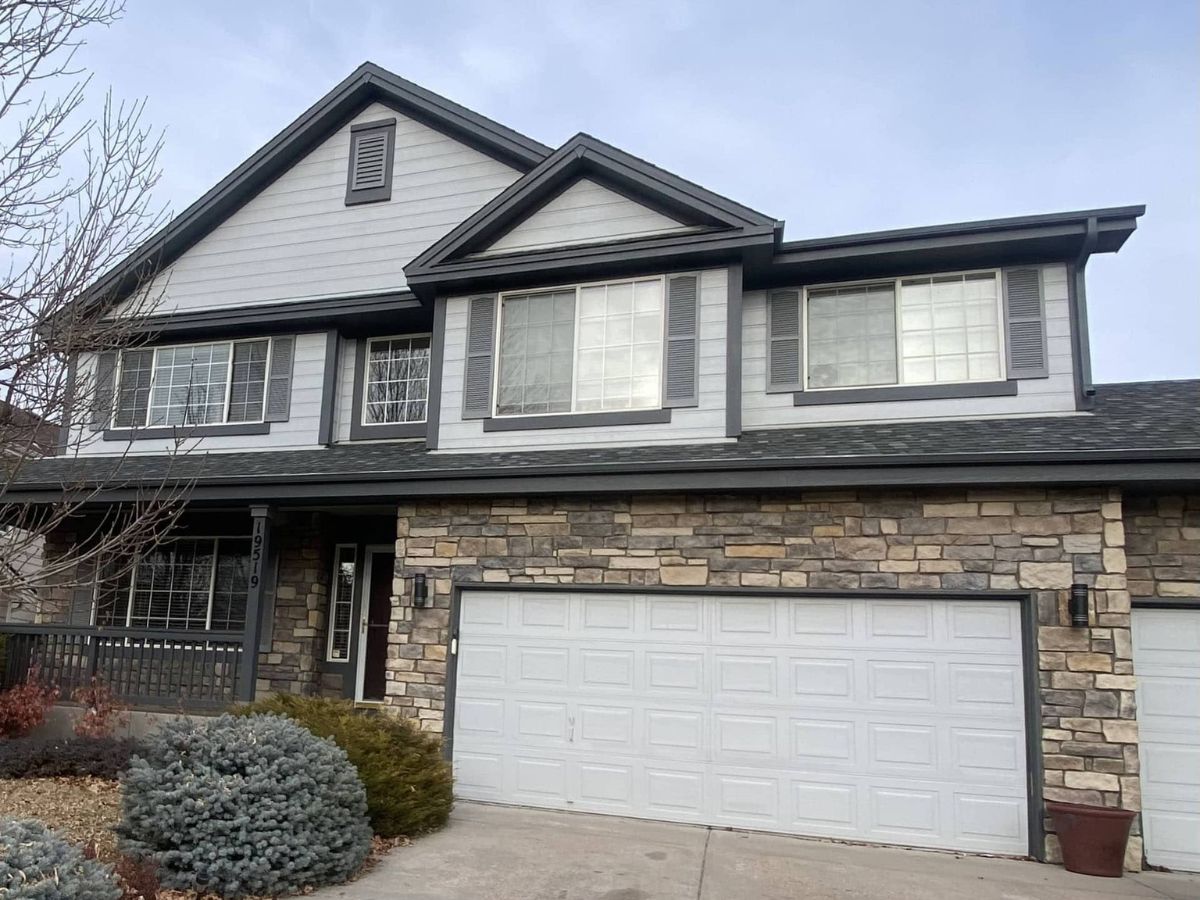

If you’re finishing treatment and you’re wondering what your next step toward recovery should be, a sober living home can offer a calm, structured place to settle in while you regain your footing. It’s meant to support you as you return to daily life without rushing the process or leaving you on your own too soon.
In this article, you’ll learn what a sober living home is, how it works, why you might choose one, the pros and cons, how to pick a home that truly supports you, and what your first weeks inside might look like.
What a Sober Living Home Is
A sober living home is a substance-free shared residence for women who want to keep moving forward in their recovery while building healthy routines. You live with others who are also working to stay sober, which can make the transition out of treatment feel less intimidating.
It’s not the same as inpatient care. You’ll have more freedom, and you won’t receive 24/7 clinical support. And it’s different from a halfway house, which is often connected to the legal system.
Sober living homes usually focus on personal accountability, peer encouragement, and a stable living environment rather than punishment or strict supervision.
Why Sober Living Homes Exist
Early recovery comes with new responsibilities and, at times, new stress. A sober living home exists to help you:
- Practice sober routines
- Build structure into your day
- Connect with others on the same path
- Stay grounded while working or attending school
- Move toward independence at a pace that feels good to you
Many women use sober living homes as a bridge between treatment and living on their own.
How Sober Living Homes Work
Every sober living home runs a bit differently, but most will include:
- Shared chores and household responsibilities
- Set curfews
- House meetings
- Visitor rules
- Regular drug and alcohol testing
- Expectations around work, school, or recovery activities
Some homes are peer-run, while others are staffed by people with experience in recovery support. The level of structure you need will depend on where you are in your sobriety.
Day-to-Day Life in a Sober Living Homes
In most homes, you’ll spend your days:
- Living with people who share similar goals
- Attending recovery meetings or support groups
- Looking for work, working, or returning to school
- Building healthier habits around sleep, meals, and self-care
- Learning how to manage cravings and stress
Many women say the consistency and accountability make the biggest difference. You’re not just avoiding substances. You’re also learning how to live in a way that supports long-term stability.
Length of Stay in a Sober Living Home
There’s no fixed timeline. Many homes ask for a minimum stay of around 90 days, but some residents stay longer. Research shows that longer stays in sober living homes can help reduce substance use and improve stability.
The right length for you depends on your progress, your responsibilities, and how ready you feel to live independently.
Who Might Benefit from Sober Living Homes
A sober living home may be a good fit for you if:
- You’re stepping down from inpatient treatment
- You’re in outpatient care and want more structure
- Your current living situation makes sobriety difficult
- You want peer encouragement and routine
- You’re ready to follow consistent expectations
A sober living home works best when you’re ready to be part of a community that’s also trying to stay sober.
Benefits of Sober Living Homes
There are many benefits to sober living homes. Here’s what many women appreciate most:
- Community: You’re surrounded by women who understand your goals and are on the same path as you.
- Consistency: Daily expectations help keep you steady.
- A smoother transition: You return to work, family, and school at a pace that is manageable for you.
- Stability: It’s often safer and calmer than returning to an unstable or stressful home environment that can easily trigger relapses.
How to Choose the Right Sober Living Home
Deciding which sober living home is best for you can feel overwhelming. Before you choose, here are some questions to ask:
- What are the expectations around chores, curfews, and meetings?
- How often are drug or alcohol tests done?
- What does the monthly rate include?
- Are there extra charges for things like parking, supplies, or activities?
- Is the home peer-run or staffed?
- What is the culture like inside the house?
- Is the house or program certified?
Be cautious if you see:
- Unclear rules or sudden rule changes
- Lack of structure or accountability
- Promises that sound unrealistic
- Hidden fees
- A living environment that feels unsafe or unstable
- No clear recovery focus
What to Expect After You Move In
During your first few weeks in a sober living home, you’ll take time to settle in. You’ll be learning the house guidelines, meeting new roommates, and getting used to sharing a space with other women who are also working on their recovery. It’s completely normal if you feel uncertain or out of place at first. Most residents go through this early adjustment phase.
As you move into the middle of your stay, you usually start finding your rhythm. Many women use this time to return to work or school, reconnect with family, and build friendships that support their long term sobriety. You may spend more time practicing relapse-prevention skills, joining meetings, and shaping routines that help you feel calm and grounded. This stage often becomes the heart of your growth, where small, steady habits start to feel natural.
When you’re nearing the end of your stay, you’ll begin thinking about what comes next. Some women work with house staff or trusted peers to create a plan for moving into their own place or another supportive home environment. This might include budgeting, finding stable housing, or putting together a support network you can rely on outside the house. There’s no single “right” amount of time to stay. Your goal should be to move on when you feel ready, not rushed or pressured.
Frequently Asked Questions About Sober Living Homes
What’s the difference between a sober living home and a halfway house?
Halfway houses are often tied to the legal system and may have stricter limits. Sober living homes are usually independent and focus on supporting long-term recovery.
How long should I stay?
Many people stay at least 90 days, but some stay for several months. The best length is the one that helps you feel stable and confident about independent living. Check with your sober living home for requirements and recommendations based on your personal circumstances.
How much does a sober living home cost?
The monthly cost for a sober living home depends on many different factors including location, house size, staffing, and amenities. Ask for a clear breakdown of what your rent includes. You can also ask about scholarships or other financial help that may be available.
Do I have to attend meetings?
Some homes require meetings, while others simply encourage them. You’ll want to ask before you move in.
Can I have guest while staying in a sober living home?
Most homes have specific visitor rules to keep everyone safe and comfortable. You’ll want to check with your specific home on what the rules are for visitors.
If you’re looking for a sober living home for women in the Denver area, contact us today to find out more. We’re happy to answer any questions you may have about whether our sober living program is right for you.
