
Recovery is about more than staying sober. It’s also an opportunity to support your physical health and give your body time to heal.
One organ that works especially hard during recovery is the liver. Alcohol and substance use can place significant stress on the liver over time, affecting everything from energy levels to overall health. While healing takes time, healthy habits can make a difference. Although no food can magically cleanse or detox the liver, certain foods may help support liver function and overall wellness. Combined with proper medical care, hydration, exercise, and continued sobriety, these foods can be part of a healthy recovery lifestyle.
It’s important to remember that Zen Mountain House is not a medical provider, and this article is not intended to replace medical advice. If you have concerns about your liver health or any medical condition, talk with your doctor or healthcare provider.
Why Liver Health Matters During Recovery
Recovery isn’t just about healing emotionally. It’s also about giving your body time to recover from the effects of alcohol or substance use.
One of the organs most affected by alcohol use is the liver. The liver plays an important role in filtering waste products, processing nutrients, supporting digestion, regulating metabolism, and performing hundreds of other functions that keep the body running properly.
Over time, heavy alcohol use can place significant stress on the liver. According to the National Institute on Alcohol Abuse and Alcoholism (NIAAA), alcohol can affect nearly every organ in the body, including the liver, where long-term alcohol use may contribute to serious health concerns.
The good news is that recovery gives your body an opportunity to heal. While everyone’s health journey is different, maintaining sobriety, eating a balanced diet, staying active, and following your healthcare provider’s recommendations can all support overall wellness.
It’s also important to understand that there is no special food, supplement, or cleanse that can “detox” your liver. As Johns Hopkins Medicine explains, the liver naturally processes and removes waste products from the body. Instead of focusing on detoxes or quick fixes, most healthcare professionals recommend healthy lifestyle habits that support overall wellness.
Nutrition alone can’t reverse liver damage, but healthy eating habits can play an important role in helping you feel stronger, improve your energy levels, and support your long-term recovery goals.
11 Foods That May Support Liver Health
1. Garlic
Garlic contains sulfur compounds that have been studied for their potential role in supporting normal liver function. It may also help support the body’s natural processes that remove waste products and maintain overall wellness.
The good news is that garlic is easy to add to your diet. Try incorporating fresh garlic into soups, roasted vegetables, sauces, or homemade dressings. Small changes like this can help you build healthier eating habits while supporting your overall health during recovery.
2. Citrus Fruits
Oranges, lemons, grapefruit, and other citrus fruits are rich in vitamin C and antioxidants. These nutrients support overall wellness and can be part of a balanced recovery-focused diet.
Adding citrus to your routine doesn’t have to be complicated. Try squeezing fresh lemon into water, adding orange slices to breakfast, or including citrus in salads and snacks throughout the day.
3. Turmeric
Turmeric contains a natural compound called curcumin, which has been studied for its anti-inflammatory properties. While no food can repair the liver on its own, turmeric may be a helpful addition to an overall healthy lifestyle.
Many people enjoy turmeric in soups, rice dishes, curries, or warm tea. Adding a variety of nutrient-rich foods to your meals can help support your body’s recovery process.
4. Leafy Greens
Leafy greens such as spinach, kale, arugula, and Swiss chard are packed with vitamins, minerals, fiber, and antioxidants. These nutrients support overall health and can help improve the quality of your diet during recovery.
If you’re not used to eating greens regularly, start small. Add spinach to a smoothie, include a side salad with dinner, or mix greens into soups and pasta dishes.
5. Beets
Beets contain antioxidants and plant compounds that may help support overall health. They’re also a good source of fiber and nutrients that can be part of a balanced eating plan.
Whether roasted, steamed, or blended into a smoothie, beets can be an easy way to add variety and nutrition to your meals while focusing on long-term wellness.
6. Apples
Apples are a simple and affordable source of fiber, vitamins, and antioxidants. They support digestive health and make an easy snack during busy days.
Recovery often involves building healthier routines, and choosing nutritious snacks is one small step that can make a difference. Apples pair well with nut butter, yogurt, or other healthy foods.
7. Walnuts
Walnuts contain healthy fats, fiber, and nutrients that support overall wellness. They’re also a convenient snack for people who are trying to make healthier choices throughout the day.
A small handful of walnuts can be added to salads, oatmeal, yogurt, or enjoyed on their own. Consistent healthy habits often have a greater impact than dramatic changes.
8. Green Tea
Green tea contains antioxidants that may support overall health and wellness. For many people in recovery, it can also serve as a calming alternative to sugary beverages.
Replacing high-sugar drinks with water, herbal tea, or green tea is one way to support better nutrition while creating healthier daily habits.
9. Cruciferous Vegetables
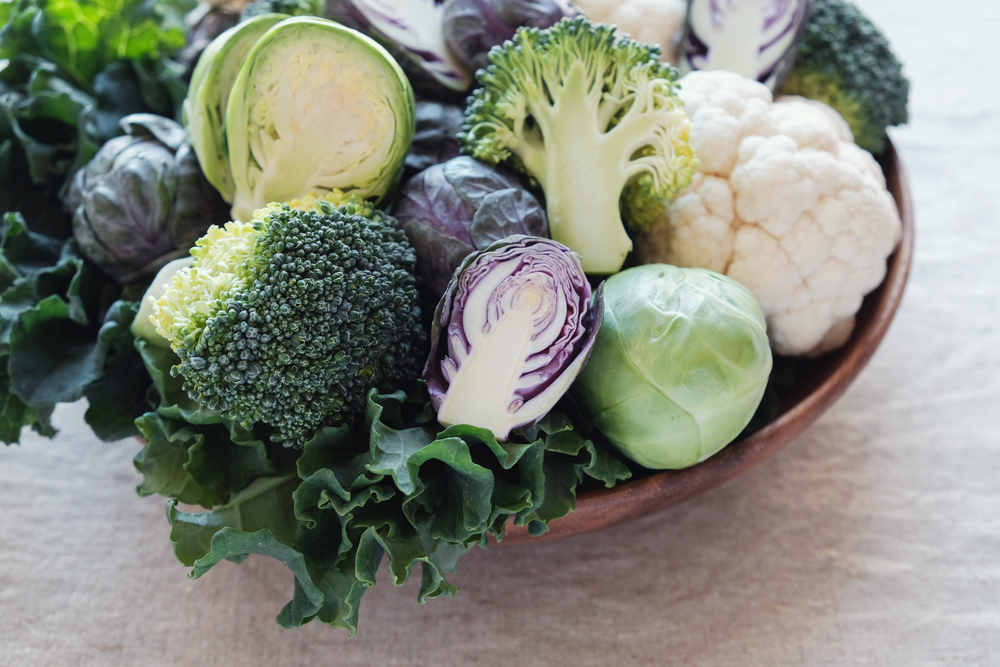
Broccoli, cauliflower, Brussels sprouts, and cabbage are rich in nutrients, fiber, and plant compounds that support overall health. These vegetables can play an important role in a balanced recovery diet.
They are also versatile and easy to prepare. Roasting, steaming, or adding them to soups and stir-fries can help make them a regular part of your meals.
10. Coffee
Research suggests that moderate coffee consumption may support liver health in some individuals. However, everyone’s health needs are different, so it’s important to talk with your healthcare provider if you have concerns.
For many people, enjoying coffee in moderation can be part of a healthy lifestyle. Just be mindful of added sugars and high-calorie creamers.
11. Fatty Fish
Salmon, sardines, trout, and mackerel contain omega-3 fatty acids that support heart health and overall wellness. These healthy fats have also been studied for their role in supporting the body’s natural inflammatory response.
Including fatty fish in your meals a few times each week can be a simple way to increase nutrient intake and support your overall health during recovery.
Other Ways to Support Liver Health During Recovery
Nutrition is only one part of the recovery journey. While healthy foods can support overall wellness, daily habits often have an even greater impact on long-term health. Some of the best ways to support liver health include:
- Maintaining sobriety
- Drinking plenty of water
- Getting regular physical activity
- Prioritizing quality sleep
- Managing stress in healthy ways
- Attending regular medical checkups
- Eating a balanced, nutrient-rich diet
Recovery isn’t about being perfect. It’s about making consistent choices that support your physical and emotional well-being over time.
If you have concerns about your liver health, talk with your doctor or healthcare provider. They can help you understand your individual health needs and recommend the best next steps for your situation.
Recovery is a chance to care for your whole self, including your physical health. While no single food can transform your health overnight, consistent healthy choices can support your body’s healing process over time.
Frequently Asked Questions About Supporting Your Liver During Recovery
Can the liver heal after alcohol use?
In some cases, the liver may be able to heal or improve once alcohol use stops. However, every situation is different. The amount of recovery depends on a person’s overall health, medical history, and the extent of any liver damage. Because liver health is a medical issue, it’s important to speak with a qualified healthcare provider if you have questions about your symptoms, treatment options, or long-term outlook.
How long does it take for the liver to recover?
Everyone’s situation is different. Some improvements may occur within weeks of stopping alcohol use, while other changes can take much longer. Recovery timelines vary based on individual health factors.
Is there a way to detox or cleanse the liver?
The liver naturally processes and removes waste products from the body. Rather than focusing on detoxes or cleanses, most healthcare professionals recommend a healthy diet, hydration, exercise, and avoiding alcohol.
What is the most important thing I can do for my liver during recovery?
For most people, the most important step is maintaining sobriety. Avoiding alcohol and substances gives the liver the best opportunity to heal and function properly.
Medical Disclaimer: This article is intended for educational and informational purposes only and should not be considered medical advice. Zen Mountain House does not provide medical care, diagnosis, or treatment. Always consult a qualified healthcare professional regarding any medical concerns, symptoms, or treatment decisions.
