
Many outdoor activities, vacations, and social events are often connected to drinking culture. Beach trips, concerts, cookouts, camping weekends, and summer gatherings can sometimes make it feel like alcohol is part of having fun outdoors.
The truth is that you can still relax, connect with people, and enjoy meaningful experiences without alcohol or substances. In many cases, sober experiences feel more memorable because you are fully present for them.
Sober outdoor activities can also support recovery by improving mental health, reducing stress, encouraging movement, and helping you build healthier social connections. Spending time outside can create structure, emotional balance, and positive routines during recovery.
This guide shares sober outdoor activities that can help you stay active, grounded, and connected while building a healthier lifestyle you genuinely enjoy.
Why Outdoor Activities Are Good for Recovery
Nature Helps Reduce Stress and Improve Mood
Fresh air, sunlight, and movement can have a positive effect on emotional well-being. Outdoor activities often help reduce anxiety, boredom, stress, and emotional overwhelm.
Research from the National Institute of Mental Health continues to show the connection between physical activity, stress reduction, and mental wellness. Even simple outdoor experiences like walking or sitting in nature can help you feel calmer and more emotionally balanced.
Healthy Activities Help Replace Old Habits
Recovery often involves creating new routines and interests. If alcohol or substances previously filled your weekends, social life, or free time, outdoor hobbies can help fill that space in healthier ways.
Positive activities create structure and give you something meaningful to look forward to.
Sober Experiences Build Confidence
One of the most important parts of recovery is learning that you can still enjoy life sober. Every healthy experience helps build confidence and reinforces the idea that fun, relaxation, and connection do not require alcohol.
Over time, those experiences become part of a healthier lifestyle instead of something you have to force yourself to do.
15 Sober Outdoor Activities To Try in Recovery
1. Go Hiking on Local Trails
Hiking encourages mindfulness, stress relief, and physical movement. Whether you hike alone or with supportive friends, being in nature can help quiet mental noise and improve emotional clarity.
Local trails, state parks, and nature preserves are great places to start.
2. Spend the Day at the Beach
Beach days can still be relaxing without alcohol. Swimming, paddleboarding, reading, walking along the water, or simply enjoying the scenery can help you feel grounded and present.
Focus on the environment and experience itself instead of the drinking culture that sometimes surrounds beach settings.
3. Try Camping or Outdoor Getaways
Camping gives you a chance to disconnect from daily stress and constant distractions. Activities like campfires, stargazing, hiking, and cooking outdoors can create meaningful sober memories.
Even short weekend trips can help you reset emotionally.
4. Start Biking or Cycling
Cycling supports both physical and mental health. It can become a healthy outlet for stress while helping improve energy and emotional balance.
Some women enjoy biking alone for reflection, while others prefer group rides or fitness clubs.
5. Visit Farmers Markets or Outdoor Festivals
Farmers markets and community festivals often provide healthier social environments than bars or nightlife settings. You can explore local food, art, music, and culture while spending time around people in a lower-pressure environment.
These outings can help make sober socializing feel more natural.
6. Join Recreational Sports or Fitness Groups
Recreational activities can help you build both routine and social connection. Consider trying:
- Pickleball
- Volleyball
- Tennis
- Frisbee golf
- Walking groups
Fitness-focused communities often support healthier habits and positive social interaction.
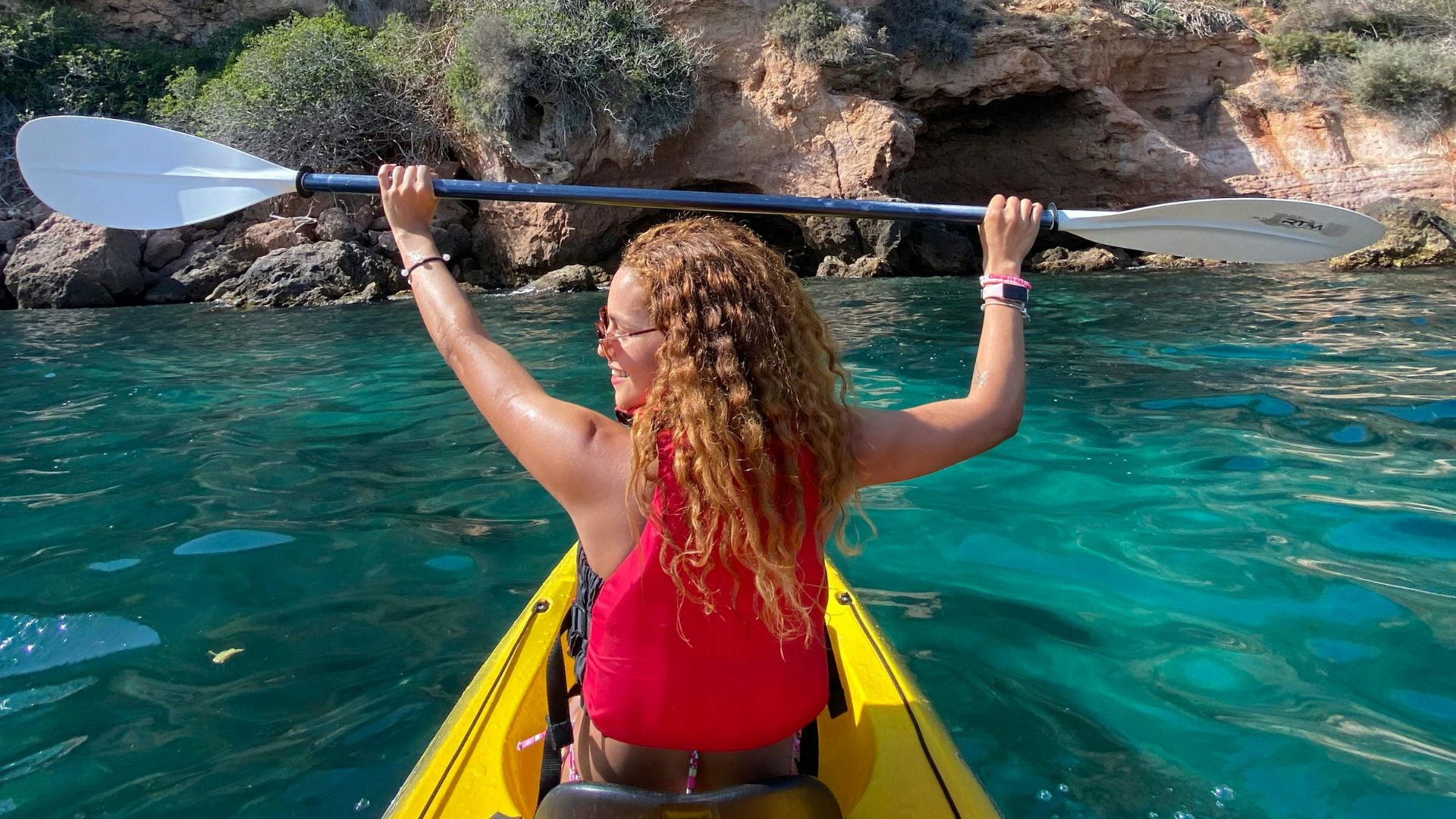
7. Try Kayaking or Paddleboarding
Kayaking and paddleboarding combine movement with calmness and focus. Many people find water activities emotionally grounding because they require attention to the present moment.
These activities can also help reduce stress and improve emotional regulation.
8. Start Gardening or Outdoor Projects
Gardening can create a strong sense of accomplishment during recovery. Caring for plants, flowers, or outdoor spaces encourages patience, consistency, and mindfulness.
Outdoor projects can also help create calming home environments that support emotional wellness.
9. Take Nature Photography Walks
Photography walks encourage creativity and observation. Looking for interesting landscapes, plants, animals, or lighting can help shift your focus away from stress and toward the present moment.
You do not need professional equipment to enjoy it. Even phone photography can become a meaningful hobby.
10. Go on Long Walks or Outdoor Runs
Walking and running are simple but powerful tools for emotional regulation. Regular movement can help improve mood, reduce stress, and support physical health during recovery.
Many women find that outdoor walks become part of their daily self-care routine.
11. Attend Outdoor Yoga or Wellness Classes
Outdoor yoga combines movement, mindfulness, and relaxation. It can help reduce stress while improving body awareness and emotional balance.
The Substance Abuse and Mental Health Services Administration highlights wellness and healthy lifestyle habits as important parts of long-term recovery support.
12. Explore National Parks or Scenic Areas
Exploring scenic locations can create a sense of adventure and personal growth. National parks, hiking destinations, waterfalls, and nature preserves encourage movement, curiosity, and healthy routines.
Trying new places can also help you reconnect with joy during recovery.
13. Plan Sober Picnics or Cookouts
You can still enjoy outdoor gatherings without alcohol being the focus. Sober picnics or cookouts allow you to focus on conversation, food, games, music, and genuine connection.
These experiences can help create healthier social traditions with friends or family.
14. Volunteer at Outdoor Community Events
Volunteering can strengthen purpose and connection during recovery. Outdoor charity walks, park cleanups, farmers markets, or animal rescue events can help you meet supportive people while giving back to your community.
Healthy social connection often plays an important role in long-term sobriety.
15. Watch Sunrises, Sunsets, or Stargaze
Simple outdoor moments can become deeply meaningful during recovery. Watching a sunrise, sunset, or clear night sky can encourage calmness, gratitude, and emotional presence.
These quiet moments often help remind you that recovery is about reconnecting with life itself.
How Sober Outdoor Activities Help You Build a Healthier Social Life
Outdoor Activities Create Natural Social Opportunities
Outdoor hobbies naturally create opportunities to meet people in healthier environments. Hiking groups, wellness classes, community events, and recreational sports often attract people focused on health, connection, and shared interests.
These settings may feel less pressured than bars or drinking-centered events.
Shared Activities Help Build Genuine Connections
Sober relationships often grow through shared experiences instead of shared drinking habits. Activities like hiking, volunteering, fitness classes, or outdoor festivals allow conversations and friendships to develop more naturally.
Healthy friendships can provide emotional support, accountability, and encouragement during recovery.
Sober Socializing Gets Easier With Practice
Many women feel nervous about socializing sober at first. That discomfort is normal. Over time, confidence grows through repetition and positive experiences.
The more you practice enjoying activities without alcohol, the more natural sober socializing often becomes.
Recovery-Friendly Communities Can Strengthen Motivation
Spending time around supportive people can help strengthen healthy habits and long-term motivation. Recovery-focused communities, sober living environments, and wellness groups often provide encouragement during difficult seasons.
If you are looking for additional support, Zen Mountain House offers women-focused sober living designed to help residents build healthier routines, supportive connections, and long-term recovery stability in a safe environment.
How Outdoor Activities Support Long-Term Sobriety
Healthy Routines Reduce Relapse Risk
Structured activities can reduce boredom and idle time, which are common relapse triggers during recovery. Physical movement also supports emotional regulation and stress management.
Healthy routines help create stability in everyday life.
Nature Encourages Mindfulness and Emotional Balance
Outdoor experiences often improve focus and emotional awareness. Being present in nature can help reduce racing thoughts, anxiety, and emotional overwhelm.
Many people discover that outdoor activities become healthier coping strategies over time.
Positive Experiences Reinforce Recovery Goals
Enjoyable sober experiences help reinforce the idea that recovery is worth protecting. Building positive memories without substances increases confidence and motivation for long-term sobriety.
Creating a Sober Lifestyle You Actually Enjoy
Focus on Experiences Instead of Escaping
Recovery creates opportunities to become more present and connected to life. Instead of using substances to escape stress or discomfort, you begin building experiences that genuinely support your well-being.
Explore New Interests Without Pressure
You do not need to immediately discover the perfect hobby or activity. Recovery is a process of exploring new interests and learning what feels meaningful to you. Trying different outdoor activities can help you reconnect with joy, curiosity, and creativity.
You Do Not Need Alcohol To Enjoy the Outdoors
The outdoors can still feel exciting, relaxing, social, and fulfilling without alcohol. Whether you are hiking, camping, kayaking, gardening, or simply walking outside, sober experiences can become some of the most meaningful parts of recovery.
How Sober Outdoor Activities Can Help You Enjoy Recovery More
Recovery isn’t about losing freedom or fun. In many ways, it creates opportunities to experience life more fully.
Sober outdoor activities can improve:
- Mental health
- Physical wellness
- Emotional balance
- Confidence
- Relationships
The key is continuing to explore experiences that support your growth and well-being. A healthy, active, and fulfilling sober lifestyle is possible, and it can begin with one small outdoor experience.
Frequently Asked Questions About Sober Outdoor Activities
What are the best sober outdoor activities?
Popular sober outdoor activities include hiking, biking, kayaking, yoga, camping, walking, gardening, and recreational sports.
How do outdoor activities help recovery?
Outdoor activities support emotional wellness, reduce stress, improve physical health, and create healthy routines during recovery.
Can exercise help reduce cravings during sobriety?
Yes. Physical movement may help reduce stress, improve mood, and support emotional regulation, which can help manage cravings.
What are good sober summer activities?
Beach trips, hiking, camping, paddleboarding, outdoor festivals, picnics, and community events are great sober summer activities.
How do you socialize outdoors without alcohol?
Focus on activities, conversation, movement, and shared experiences instead of drinking-centered environments.
Why is nature beneficial during recovery?
Nature can help reduce anxiety, improve mood, encourage mindfulness, and support emotional balance.
How can outdoor hobbies improve mental health?
Outdoor hobbies often reduce stress, encourage movement, improve confidence, and help create healthier routines and social connection.
